Avatar: Fire and Ash Review
Pandora is bigger, bolder, bluer, and more aggressively immersive than ever.
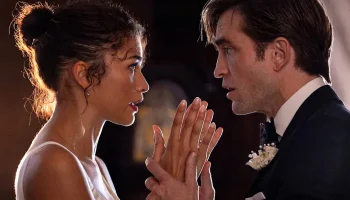
A similar scheme is hatched in Paul Feig’s film, although I have to be extremely vague about the details so as not to ruin the carefully plotted set-up. Suffice it to say, there’s a good chance you will utterly loathe the film as I did for almost the entire first two acts before the reward comes your way.
There are a great number of mysteries in Rian Johnson’s third leg of his Knives Out trilogy, many of which answered save one — at least expressly: Why does the lighting change so dramatically in many of the film’s most directly parochial scenes?
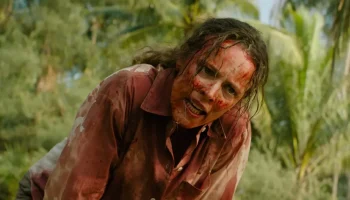
Wright is working more or less within his element here — stylized violence surrounded by biting satire (a recurring bit featuring a reality series called“The Americanos” — a Kardashian stand-in family — is particularly ripe) — and proves a good match for the material, even as King’s plot starts grinding its gears in the third act.
For this film, a loose adaptation of Thomas Pynchon’s novel Vineland, the shots vary between languid and almost thunderously violent, from the lilting trills in Jonny Greenwood’s soundtrack, to abrasively coarse auditory punch-outs. At times, it’s like the effect of flipping through random channels on your TV, the sudden change of tone and timbre shocking you with their contrast.
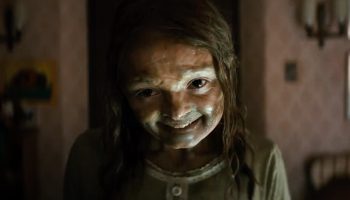
The conceit of the series is that the films are based on the real-life case files of the Warrens, who documented their encounters via various tape and video recordings (clips of which were often shown during the closing credits to suitably chilling effect). In theory, this has always added a bit of heft to the otherwise pretty flimsy goings-on, though by now, so much of the Warrens’ “accounts” have been thoroughly debunked — including supposed paranormal doozies like the Amityville haunting — it’s pretty much impossible not to take all of these films without a boulder of salt.
… the final farewell left me both devastated and comforted.
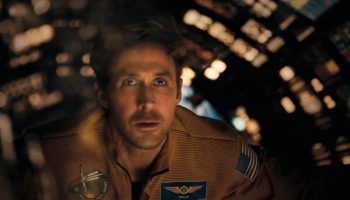
So, does this reboot fly? Only through turbulence.
Previous attempts to cinematically portray Marvel’s first family have fared, shall we say, poorly, from the Roger Corman-produced cheesefest back in 1994, to the reviled pair of early aughts flicks by Tim Story; to the even more despised misfire by Josh Trank, which led to many essays worth of angst about studio interference and the incredible pressure on young filmmakers to succeed at cost of their souls.
If the beauty of the classic Western at least partially lies in its dependably simplistic morality — a villain doing wrong; and a hero stopping them cold — the modern “neo-western” as Ari Aster’s satirically topical film has often been classified, becomes almost the literal opposite: A film where morality shifts and scuttles about, before getting bludgeoned, shot, blown up, and, eventually paved over and turned into a high-tech office building.
For the most part, however, Gunn has seemingly gotten Superman pretty much right. Corenswet is a real find, able to convey both Superman’s idealistic innocence and his feisty fury in equal measure (not unlike Chris Evans’ unforgettable Captain America). It’s a Superman willing to take a joke, and look at his life askew, without being overly concerned with appearances.
I think there’s ample room for Jerry’s brand of hyperbolic amplitude as an antidote to the usual mindless summer tentpole regurgitations and superhero frolics of the modern era. It’s time to take it back a notch or two, with some added vroom vroom thrown into the mix.